Classic zucchini lasagna earns its place when you want all the comfort of a layered baked pasta, but with zucchini standing in for the noodles in a way that still slices cleanly. The best versions aren’t watery or collapsed; they hold distinct layers of meat sauce, ricotta, zucchini, and browned mozzarella that stay in place on the plate. When it’s done right, you get a forkful that tastes rich and hearty without feeling heavy.
The trick is treating the zucchini like an ingredient that needs managing, not just layering. Salting the planks pulls out a surprising amount of moisture, and a short roast or grill finishes the job so that liquid doesn’t end up pooling in the casserole. The ricotta layer also matters more than people think: egg and parmesan help it set, while a slightly thicker meat sauce keeps the whole dish from sliding apart after baking.
Below, I’ll show you the small steps that keep zucchini lasagna from turning soggy, plus a few smart swaps for sausage, dairy-free cheese, and make-ahead prep.
The zucchini stayed firm and the lasagna cut into neat squares instead of sliding into a puddle. Salting the planks first made all the difference.
Like this zucchini lasagna? Save it to Pinterest for the nights when you want layered comfort with clean slices and no noodles.
The Reason Zucchini Lasagna Turns Watery Before It Ever Turns Golden
Zucchini is the biggest risk in this dish, not the sauce. It carries a lot of water, and if you stack it raw into a casserole, that moisture leaks out as it bakes and dilutes everything around it. That’s when the layers start to slip and the bottom goes soupy.
Salting the planks first draws out surface moisture, but it’s only half the job. A quick roast or grill gives the zucchini enough structure that it doesn’t collapse in the oven, and a slightly thick meat sauce helps the bake set instead of simmer in its own liquid. If the pan looks wet before it goes into the oven, it’ll come out wet.
What Each Layer Is Doing in This Dish
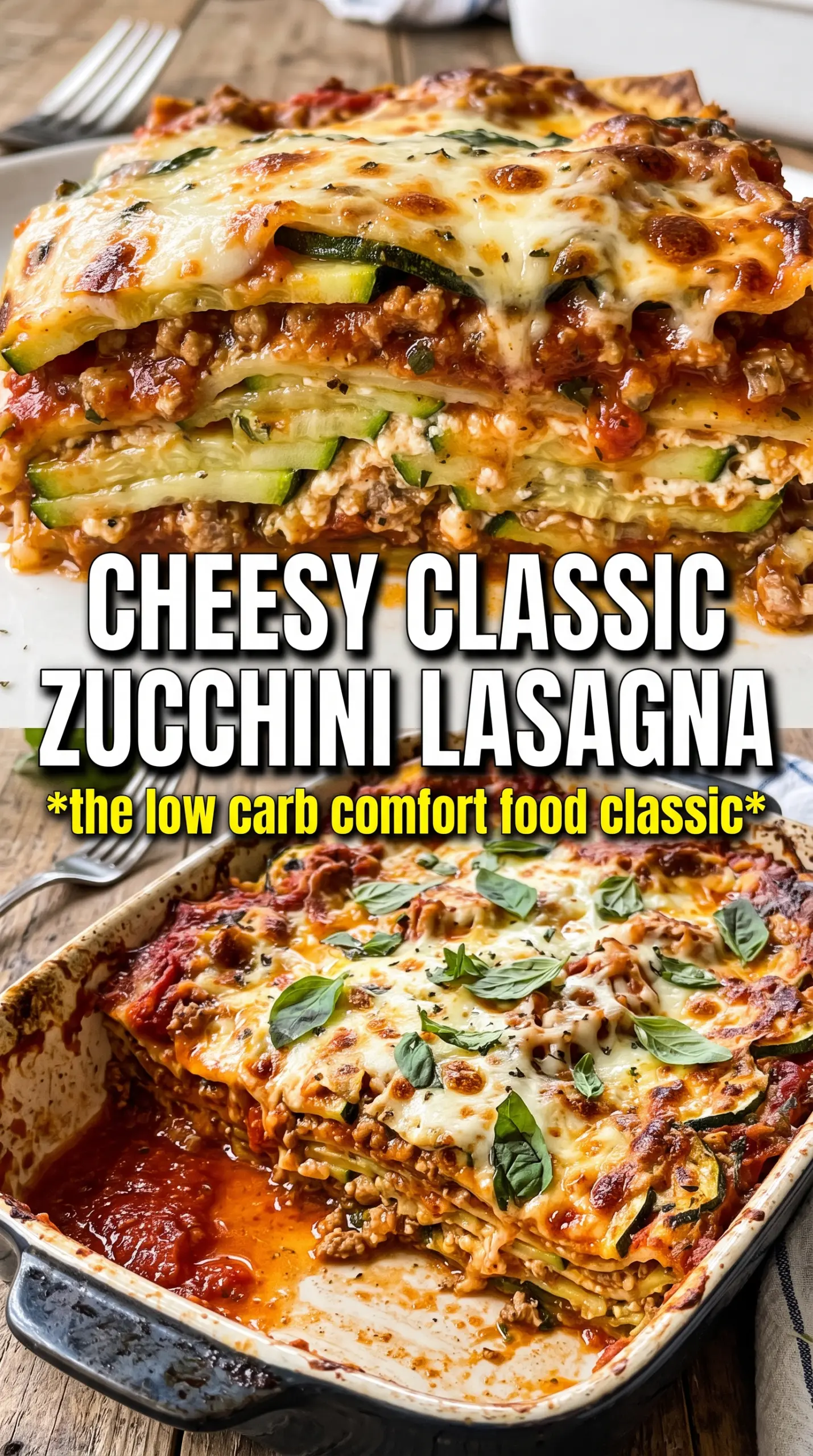
- Zucchini planks — These replace the noodles, but only if they’ve been salted and pre-cooked enough to release water. Thin, even slices matter here; thick planks stay too firm, and uneven slices bake at different rates.
- Ground beef or Italian sausage — Beef gives you a clean, classic meat sauce, while sausage adds more seasoning and richness. If you use sausage, choose mild if you want the marinara to stay front and center, or hot if you want a little heat in the background.
- Ricotta, egg, and parmesan — Ricotta brings the creamy layer, egg helps it set, and parmesan sharpens the flavor so it doesn’t taste flat. Skip the egg and the filling turns loose; skip the parmesan and it tastes bland against the meat sauce.
- Mozzarella — Shredded mozzarella melts into those browned pockets on top and between layers. Pre-shredded works fine, but a block you shred yourself melts a little smoother because it doesn’t have the anti-caking coating.
- Marinara sauce — Use a sauce that already tastes good on its own, since it carries most of the tomato flavor in the finished dish. If your jarred sauce is thin, simmer it a few extra minutes before assembling so it clings instead of pooling.
Building the Layers So They Slice Cleanly
Prepping the Zucchini
Salt the zucchini planks and let them sit until you can see beads of moisture on the surface. Then press them dry with paper towels until they feel damp but not slick. If you skip the drying step, the salt pulls water out and then that water goes straight into the lasagna.
Cooking Down the Sauce
Brown the meat with the onion until you get good color on the bottom of the pan, then drain the excess fat before adding garlic. Stir in the marinara and Italian seasoning and let it simmer until it looks glossy and a little thicker than you want to eat on its own. Thin sauce is the fastest way to end up with a sloppy pan.
Mixing the Ricotta Filling
Combine the ricotta with the egg, parmesan, parsley, salt, and pepper until it looks smooth and spreadable. The egg is what helps this layer set, so don’t leave it out unless you want ricotta that oozes when you cut the pan. If the mixture seems loose, let it sit for a few minutes so the parmesan can hydrate and tighten it up slightly.
Layering and Baking
Start with a thin layer of meat sauce so the zucchini doesn’t stick to the dish, then build from there with zucchini, ricotta, sauce, and mozzarella. Repeat until the pan is full, ending with sauce and mozzarella on top so the cheese can brown instead of drying out. Bake covered first, then uncover near the end; that gives the layers time to heat through before the top turns deep golden and bubbly.
Dairy-Free Zucchini Lasagna
Use a dairy-free ricotta and mozzarella that melt well, not the watery kind that never firms up. The texture will be a little less rich, but the layered structure still works if you keep the sauce thick and the zucchini well dried.
Vegetarian Zucchini Lasagna
Swap the meat sauce for a thick marinara packed with sautéed mushrooms, onions, and spinach. You’ll lose the savory depth from browned meat, so season the vegetables well and simmer long enough to cook off their moisture.
Make It Gluten-Free Without Changing Anything Else
This recipe is naturally gluten-free as written, as long as your marinara and sausage are certified gluten-free. That’s one of the reasons zucchini lasagna is such a practical swap when you want the structure of lasagna without the pasta.
Storage and Reheating
- Refrigerator: Store covered for up to 4 days. The layers tighten as it chills, which actually helps it slice even better the next day.
- Freezer: It freezes well in individual portions or as a full baked pan. Cool completely first, wrap tightly, and thaw in the fridge before reheating so the zucchini doesn’t turn mushy.
- Reheating: Reheat covered in a 350°F oven until hot in the center, then uncover for the last few minutes if you want the top to re-crisp. Microwaving works for a single slice, but use medium power so the cheese doesn’t separate and the edges don’t turn rubbery.
Answers to the Questions Worth Asking
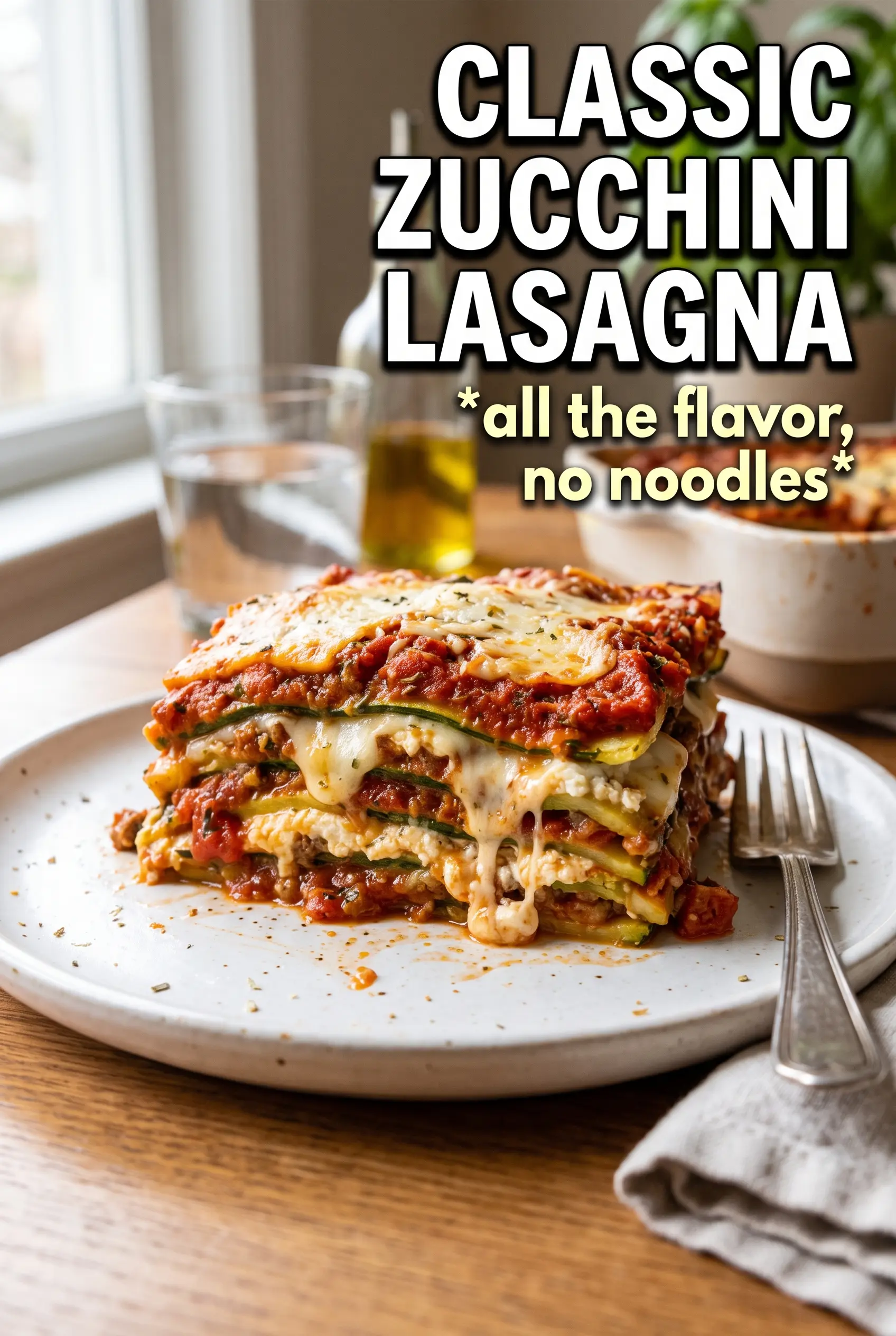
Classic Zucchini Lasagna
Ingredients
Equipment
Method
- Salt the zucchini planks and let sit for 20 minutes, letting them release moisture, then pat very dry with paper towels (critical to prevent a watery lasagna).
- Grill or roast the zucchini planks in a 425°F oven on a sheet pan for 10 minutes to remove more moisture, then set aside and keep their surfaces dry.
- Preheat the oven to 375°F while you cook the sauce.
- Brown the ground beef with the onion, then drain fat so the sauce is not greasy.
- Add the garlic, marinara, and Italian seasoning and simmer for 10 minutes until it thickens slightly.
- Mix the ricotta with the egg, parmesan, parsley, salt, and pepper until smooth and evenly combined.
- Assemble in a 9x13 dish by spreading 1/2 cup meat sauce, then layering zucchini planks, spreading ricotta, adding meat sauce, and sprinkling mozzarella.
- Repeat the layers and end with meat sauce and mozzarella on top for a browned, bubbly finish.
- Cover with foil and bake at 375°F for 40 minutes, then uncover.
- Bake uncovered for 15 minutes at 375°F until golden and bubbly with visible melted cheese edges.
- Rest for 15 minutes before cutting so the layers hold their distinct stack.
- Serve with extra parmesan and fresh basil.