Texas Roadhouse salmon lands on the plate with a deep savory crust, tender flakes, and a butter topping that melts into every ridge of the fish. The first bite is the payoff: salty, smoky, bright with lemon, and rich without feeling heavy. It has the kind of steakhouse finish that makes a plain salmon dinner feel like you sat down for a special meal.
The trick is splitting the flavor into two jobs. The quick soy-Worcestershire marinade seasons the salmon all the way through and helps it brown, while the chilled herb butter brings the glossy finish at the end. Skip one of those pieces and the dish gets flatter; keep both and it tastes much closer to the restaurant version people are chasing.
Below, I’ll walk through the part that matters most: how long to marinate without softening the fish, how to get that sear marks-and-all finish, and what to do if you want to cook it on the stove instead of the grill.
The salmon picked up that steakhouse-style seasoning in just 30 minutes, and the herb butter melted into the top instead of sliding right off. Mine came off the pan with gorgeous sear marks and stayed moist all the way through.
Save this Texas Roadhouse salmon for a steakhouse-style dinner with a fast marinade and melting herb butter.
The Marinade Is Short on Purpose, and That’s What Keeps the Salmon Tender
Salmon doesn’t need a long soak the way tougher proteins do. Here, the soy sauce, Worcestershire, lemon juice, and garlic add a fast hit of seasoning and help the surface brown, but leaving the fish in the marinade much longer can start to dull the texture. Thirty minutes is the sweet spot: enough time for the outside to pick up flavor, not so long that the flesh starts to soften at the edges.
The other reason this works is the butter goes on after cooking, not before. If you try to cook the herb butter with the fish, the milk solids can burn before the salmon is finished. A cold pat of butter melting over hot fish gives you the same richness without losing that clean seared taste underneath.
What Each Ingredient Is Doing in This Steakhouse-Style Salmon
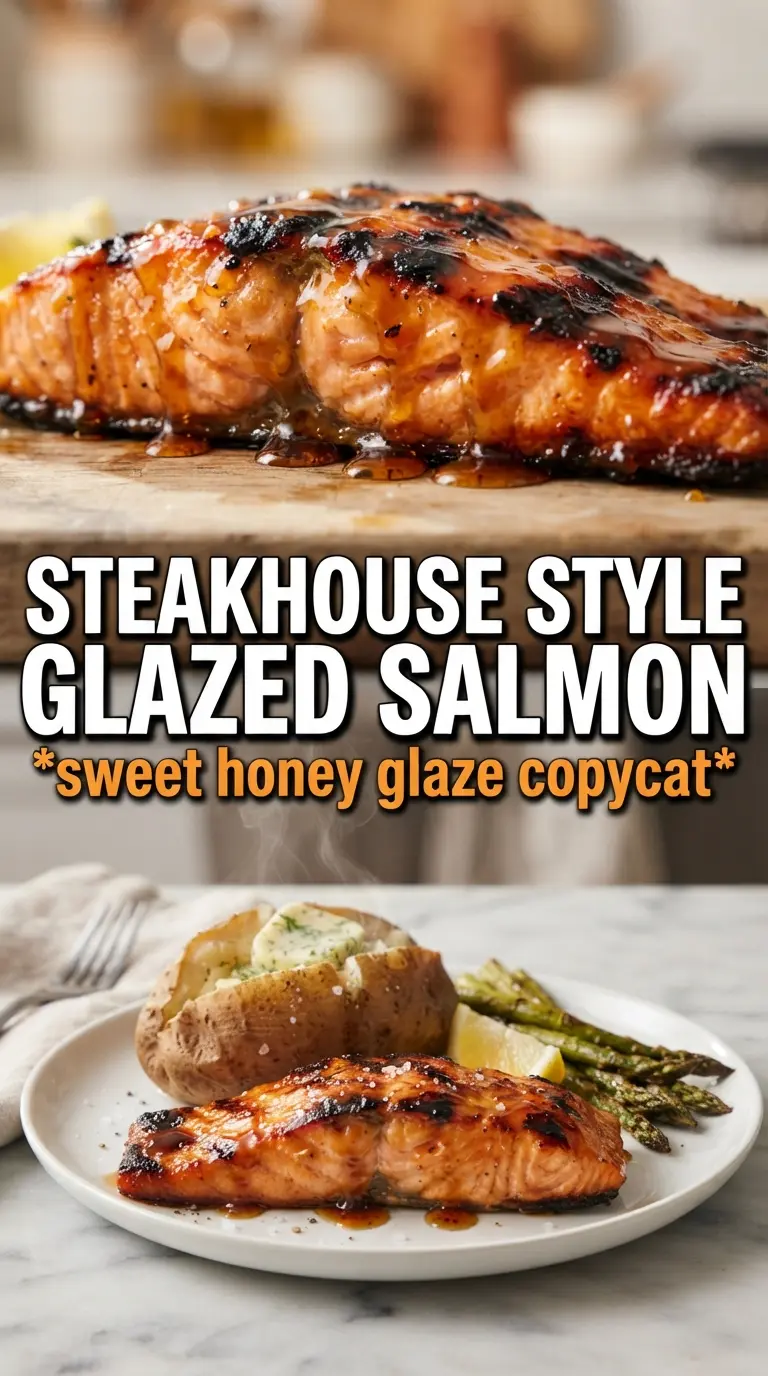
- Salmon fillets — Thick, evenly cut fillets give you enough time to build color on the outside before the center overcooks. If your fillets are much thinner than 7 ounces, shave a minute or two off the cooking time and watch for the fish to flake easily at the thickest part.
- Soy sauce — This adds salty depth and helps the exterior brown. Low-sodium soy works fine if that’s what you keep in the pantry.
- Worcestershire sauce — This is the savory backbone that makes the marinade taste more like a steakhouse glaze than plain lemon-garlic fish. There isn’t a perfect substitute, but in a pinch a tiny splash of balsamic plus a little extra soy gets you partway there.
- Olive oil and lemon juice — The oil helps the marinade cling, and the lemon keeps the flavor bright. Don’t push the lemon much higher or it can start to cure the salmon before cooking.
- Fresh garlic — Fresh garlic gives the marinade a sharper edge than garlic powder. Mince it fine so it doesn’t scorch in the pan or on the grill.
- Butter, parsley, and garlic powder — This is the finish that makes the dish taste restaurant-style. Softened butter is important because it needs to mix cleanly and roll into a firm log; if it’s too cold, the herb butter will be streaky instead of smooth.
Getting the Sear Right Before the Butter Melts
Marinate Without Overdoing It
Mix the marinade ingredients, then coat the salmon and let it sit for 30 minutes. That’s long enough to season the fish, short enough to keep the texture clean. If the salmon looks pale or slightly tightened on the surface before cooking, it stayed in the marinade too long.
Firm Up the Herb Butter
Stir the softened butter with parsley, garlic powder, and salt until it looks uniform, then roll it in plastic wrap and chill until firm. The goal is a sliceable log, not soft spreadable butter. If it’s too loose when you cut it, it’ll melt before the salmon has a chance to hold its shape.
Cook Hard Enough to Color the Outside
Grill or pan-sear the salmon over medium-high heat for about 4 to 5 minutes per side, depending on thickness. You want good color and easy release before you flip it; if it sticks, it usually needs another minute. Pull it when the fish flakes at the edges but still looks moist in the center.
Finish With the Butter While It’s Still Hot
Set a slice of herb butter on each fillet right after it comes off the heat. The butter should melt into a glossy layer within seconds. If you wait too long, it just sits on top instead of soaking into the hot surface of the fish.
Three Ways to Adjust This Salmon Without Losing the Steakhouse Feel
Pan-Seared Instead of Grilled
Use a well-heated skillet with a thin film of oil and cook the salmon skin-side down first if it has skin. A pan gives you deeper browning and keeps the herb butter from dripping away, which is handy when you want the richest possible finish.
Dairy-Free Version
Swap the butter for a plant-based butter that firms up in the fridge and keep the parsley and garlic powder the same. You’ll lose a little of that classic steakhouse richness, but the finish will still taste glossy and savory instead of flat.
Gluten-Free Note
Use certified gluten-free soy sauce or tamari and check your Worcestershire label, since some brands contain barley-based ingredients. The cooking method stays the same, and the flavor still lands in the same savory, slightly smoky place.
If You Want a Brighter Finish
Add a tiny extra squeeze of lemon right before serving instead of increasing the lemon in the marinade. That keeps the salmon tasting fresh without making the surface taste sharp or overly cured.
Storage and Reheating
- Refrigerator: Store leftovers in an airtight container for up to 3 days. The butter will firm up, but the salmon stays useful for lunch bowls or salads.
- Freezer: Cooked salmon freezes, but the texture softens a bit after thawing. Wrap portions tightly and freeze for up to 2 months if you don’t mind a less delicate finish.
- Reheating: Warm it gently in a low oven or covered skillet until just heated through. High heat dries salmon fast, and the butter topping can separate if you blast it in the microwave.
Questions I Get Asked About This Recipe
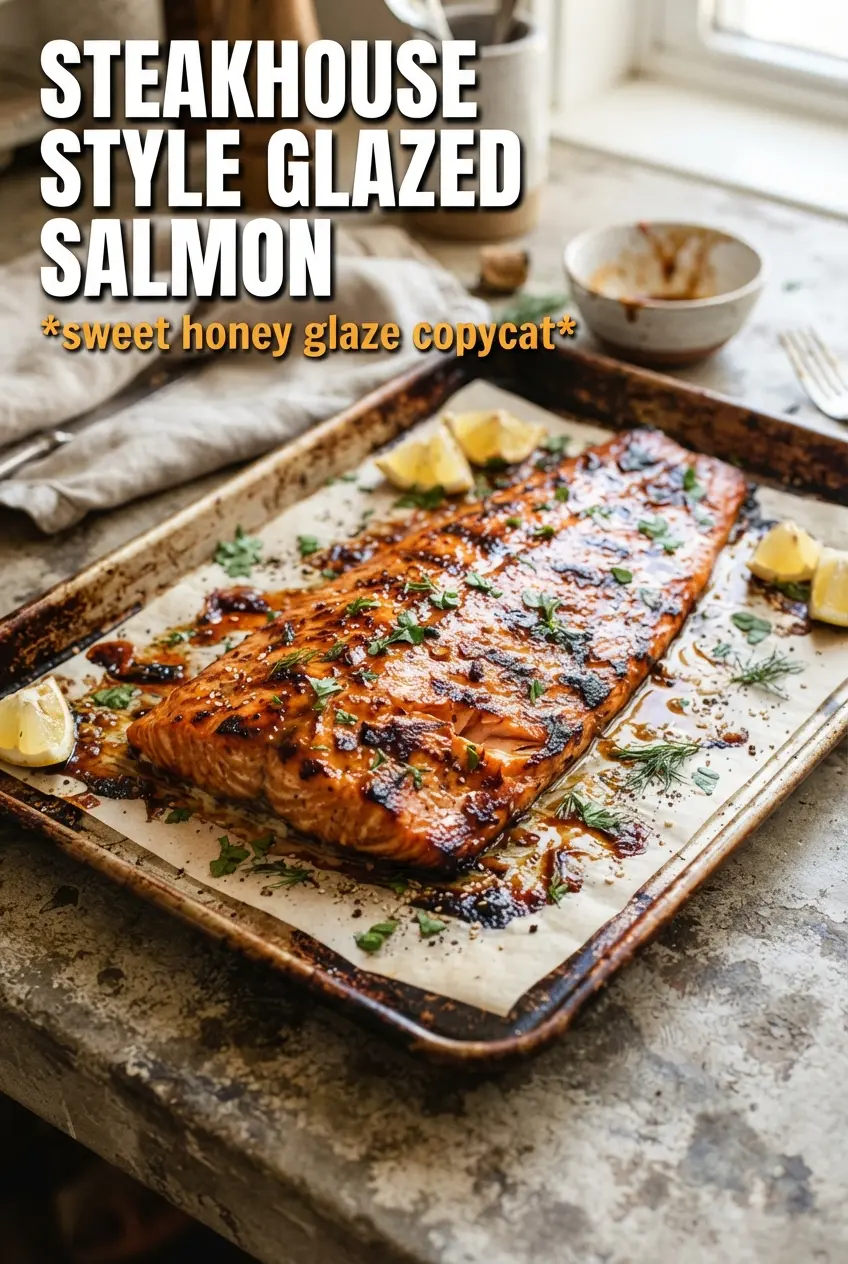
Texas Roadhouse Salmon
Ingredients
Equipment
Method
- Mix soy sauce, olive oil, Worcestershire sauce, and lemon juice with minced garlic until combined, then coat the salmon fillets and let them marinate for 30 minutes.
- Mix softened butter, chopped fresh parsley, garlic powder, and a pinch of salt, then roll into plastic wrap and refrigerate until firm (about 30 minutes).
- Grill or pan-sear the salmon over medium-high heat for 4–5 minutes per side, until cooked through and showing good sear marks.
- Immediately off the heat, top each hot salmon fillet with a slice of herb butter so it melts over the fish.
- Serve the salmon with mashed potatoes and steamed vegetables.