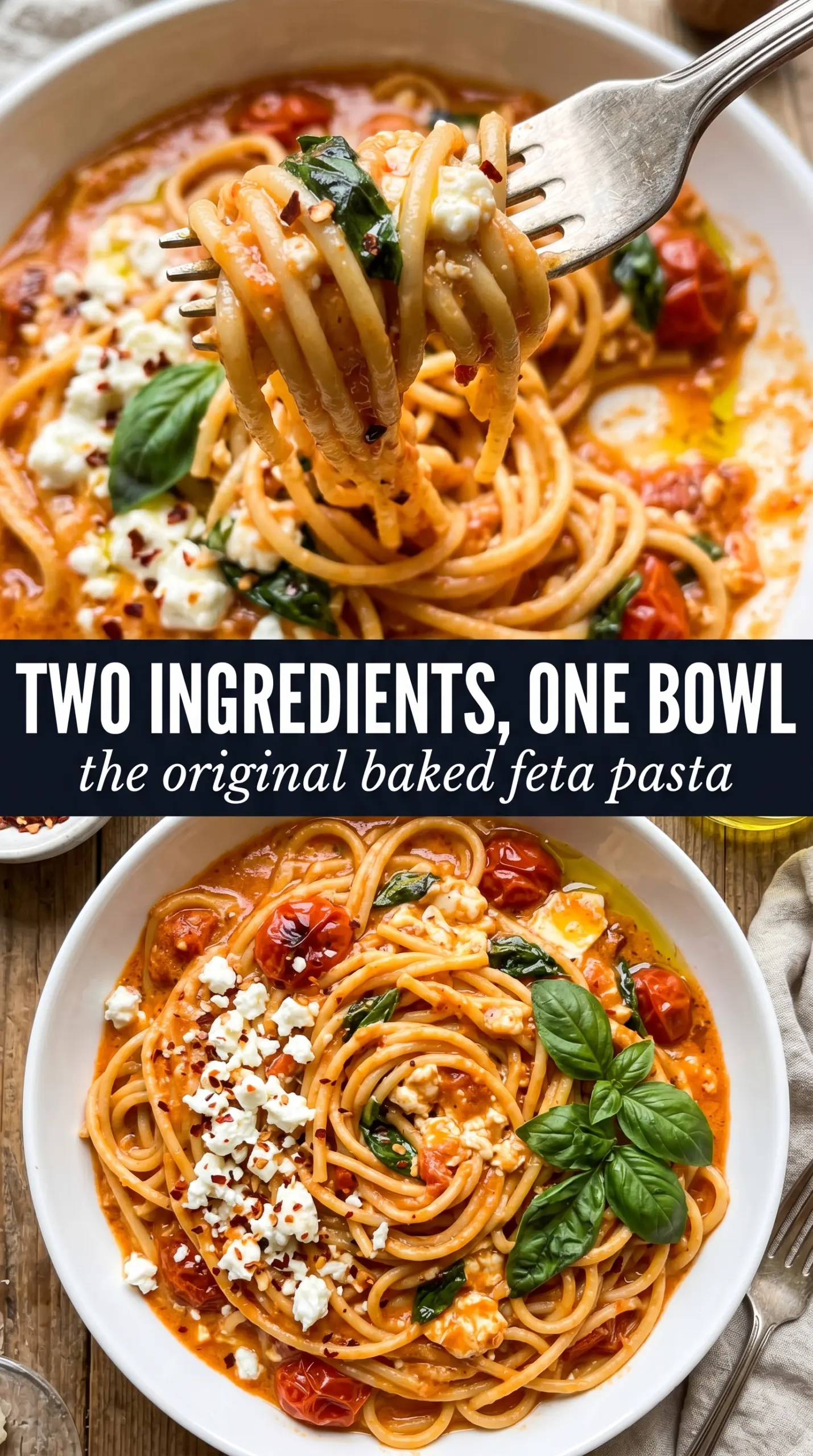
Baked feta pasta turns a handful of simple ingredients into a glossy, tangy sauce that clings to every ridge of pasta. The magic is in the oven: the feta softens and picks up golden edges while the tomatoes collapse into sweet, concentrated juices. When you stir it all together, you get a sauce that tastes bigger than the ingredient list suggests.
This version works because the feta bakes in the middle of the tomatoes instead of being mixed in at the start. That keeps it from drying out and gives the tomatoes time to burst and season the whole dish. A little reserved pasta water finishes the sauce, loosening it just enough to coat the noodles without turning soupy.
Below, you’ll find the small details that matter most: how to get the feta creamy instead of grainy, when to stop baking the tomatoes, and how to adjust the sauce if your pasta is drinking it up faster than expected.
The feta melted into the tomatoes exactly the way I wanted, and the pasta water made it silky instead of dry. I used rotini, and every twist was coated with that creamy sauce.
Love the creamy baked feta and burst tomato sauce? Save this Baked Feta Pasta for the nights when you want a fast dinner that tastes like it took much longer.
The Trick Is Letting the Tomatoes Do the Saucing
The biggest mistake with baked feta pasta is treating the feta like the whole sauce. It isn’t. The tomatoes are what make this dish taste round and juicy, and they need enough time in the oven to burst, shrink, and release their liquid. If they’re still holding their shape when the feta comes out, the final sauce can taste thick but flat.
You want the tomatoes soft at the skin, collapsed in the center, and sitting in a shallow pool of seasoned oil and juice. That mixture is what gets mashed into the feta. The result is creamier and brighter than a sauce made by stirring cheese into plain hot pasta.
- Cherry tomatoes — Small tomatoes work best because they burst quickly and concentrate fast. Grape tomatoes can stand in, but they’re usually a little firmer and less juicy, so the sauce may need extra pasta water.
- Feta — Buy a solid block if you can. Pre-crumbled feta is drier and often coated with starch, which makes it less smooth when baked.
- Olive oil — This isn’t just for roasting. It carries the garlic and pepper flakes, then gets stirred into the sauce for body. A decent everyday extra-virgin olive oil matters here because you’ll taste it.
- Reserved pasta water — This is the adjustment knob. The starch helps the feta and tomato mixture turn silky instead of greasy, and it gives you control over how thick the sauce ends up.
What Each Ingredient Is Actually Doing in This Recipe
- Primary ingredient (the star) — Quality matters most. Choose the best you can find.
- Cooking medium (oil, butter, or broth) — This carries flavors and prevents dryness.
- Seasonings (salt, pepper, spices, herbs) — Layer flavors so nothing overpowers. Build depth gradually.
- Aromatics (garlic, onion, herbs) — Cook with fat to bloom flavors. Become the foundation.
- Supporting ingredients — Complement the main ingredient without overpowering it.
- Sauce or liquid (if applicable) — Brings flavors together. Balance richness with acid.
- Acid (lemon, vinegar, wine, or other) — Brightens and prevents flat-tasting results.
- Final finish (garnish, glaze, or sauce) — Prevents one-dimensional taste and adds visual appeal.
Building the Sauce in the Pan, Not After the Fact
Roasting Until the Edges Brown
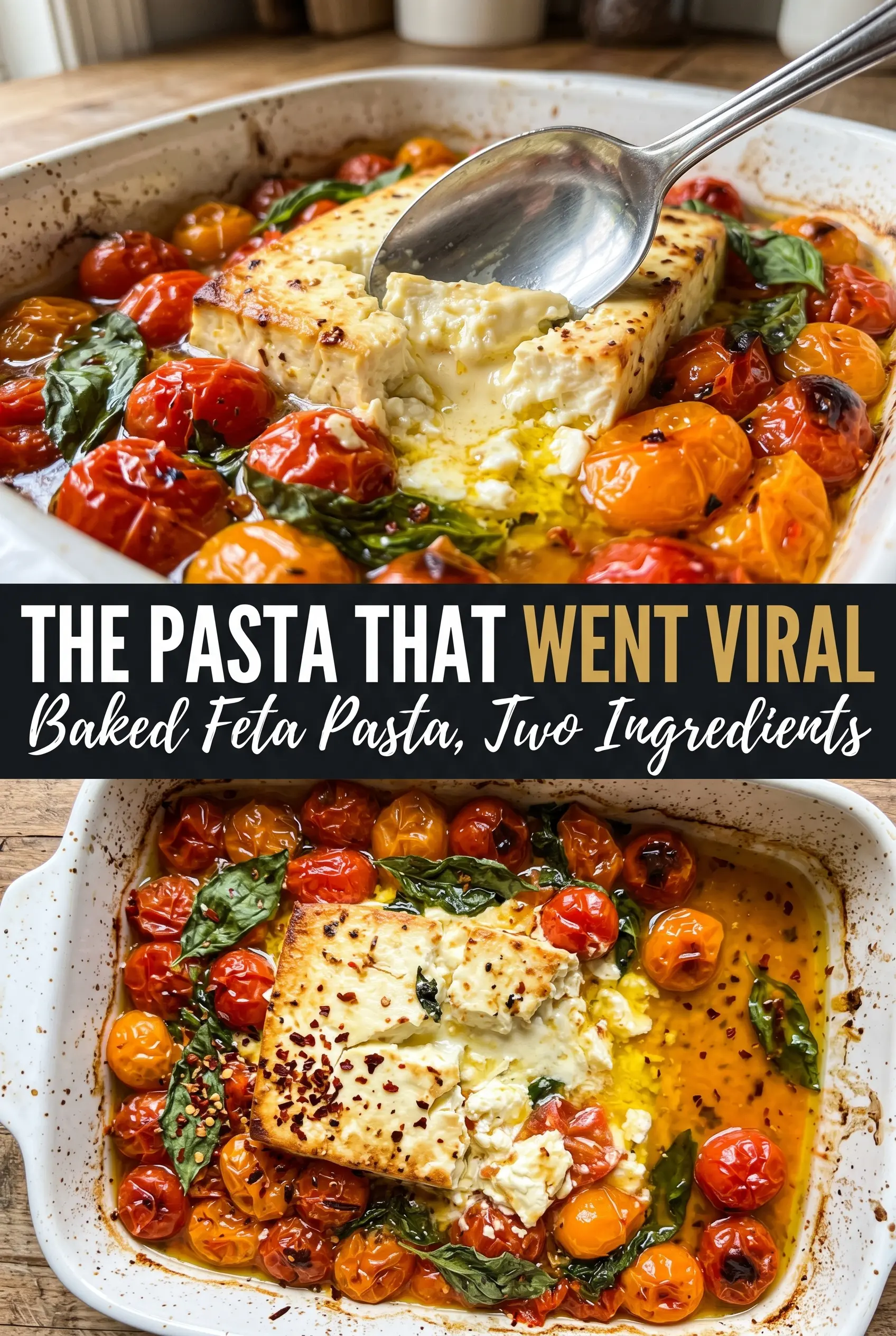
Set the feta in the center of the baking dish and surround it tightly with tomatoes and garlic so everything roasts in the same shallow bath of oil. The tomatoes should be glossy and starting to split before the feta edges go deeply golden. If the cheese is browning but the tomatoes still look tight, give it a few more minutes; the tomatoes need to collapse for the sauce to work.
Mashing the Feta While It’s Still Hot
Use a fork to break up the feta right in the baking dish, then stir it into the tomato juices until the mixture looks creamy and streaky. Don’t wait too long, because the cheese firms up as it cools and gets harder to blend smoothly. If the mixture looks oily at first, that’s normal — the pasta water will pull it together.
Finishing with Pasta Water and Hot Pasta
Add the drained pasta and splash in reserved pasta water a little at a time, tossing until every piece is coated. Stop before the sauce turns loose and soupy; it will tighten slightly as it sits. If it seems too thick, add another spoonful of pasta water instead of more oil, which only makes the sauce slick.
Make It Dairy-Free
Use a dairy-free feta-style block that softens when baked, not a crumbly topper meant for salads. The flavor won’t be identical, but the tomatoes, garlic, and olive oil still give you a rich, savory sauce that works well over pasta.
Swap the Pasta Shape for Better Sauce Cling
Penne and rotini both work, but fusilli, cavatappi, or shells catch more of the creamy tomato sauce in their grooves. Long noodles will taste fine, but they don’t hold onto the roasted tomato bits as well.
Add Protein Without Losing the Texture
Stir in cooked chicken, shrimp, or chickpeas at the end, after the sauce is already built. If you add them before baking, they dry out or crowd the tomatoes and keep the sauce from concentrating properly.
Use Less Heat for a Sweeter Finish
If you want a softer, sweeter tomato flavor, roast at 375°F and give the dish a few extra minutes. The tomatoes won’t blister quite as aggressively, but the sauce will taste gentler and less sharp.
Storage and Reheating
- Refrigerator: Store leftovers in an airtight container for up to 3 days. The sauce thickens as it chills, so expect it to look tighter the next day.
- Freezer: It freezes, but the feta can turn slightly grainy after thawing. Freeze only if you need to, and reheat gently to help the sauce come back together.
- Reheating: Warm it in a skillet over low heat with a splash of water or milk, stirring until the sauce loosens. High heat is the fastest way to make the feta separate and the pasta dry out.
Answers to the Questions Worth Asking
Baked Feta Pasta
Ingredients
Equipment
Method
- Preheat oven to 400°F, then place the feta in the center of a 9x13 baking dish.
- Surround the feta with cherry tomatoes and smashed garlic, then drizzle with olive oil and season with red pepper flakes, salt, and cracked black pepper.
- Bake for 30-35 minutes until the feta is golden at the edges and the tomatoes have burst and released their juices (visual cue: glossy tomato juices bubbling around the feta).
- Cook penne or rotini in well-salted boiling water until al dente, then reserve 1 cup pasta water before draining.
- Use a fork to smash the baked feta, then stir it with the roasted tomatoes until creamy and glossy.
- Add reserved pasta water as needed to loosen the sauce to a clingy consistency.
- Add the cooked pasta and toss to coat until every piece is coated.
- Drizzle with extra olive oil and scatter fresh basil over the top before serving.