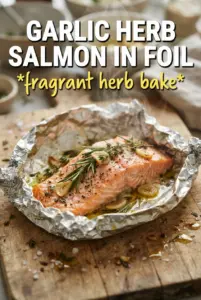
Salmon baked in foil comes out tender, aromatic, and juicy in a way that’s hard to beat on a busy night. The foil traps steam, the butter melts into the fish, and the garlic, rosemary, and thyme perfume every bite without needing a complicated sauce. When you open the packets, you get that little burst of herb-scented steam that makes the whole dinner feel special with almost no extra work.
What makes this version worth keeping is the balance. The lemon keeps the butter from feeling heavy, the herbs stay fresh instead of dusty, and the foil does the gentle cooking for you as long as the packets are sealed well. That tight seal matters more than people think; if the packets leak, the salmon can dry out before it reaches that silky, just-flaky texture.
Below, I’m breaking down the one step that keeps the fish moist, which herbs matter most here, and a few simple ways to change the dish without losing what makes it work.
The salmon stayed incredibly moist and the butter, lemon, and herbs made the juices taste like a sauce. I opened the packets at the table and everyone asked how something this good came from only 20 minutes in the oven.
Save this foil-baked salmon for nights when you want tender fish, garlic butter, and fresh herbs with almost no cleanup.
The Reason Foil Keeps Salmon Tender Instead of Dry
Salmon dries out fast when it sits in a hot oven uncovered. Foil changes the whole game because it traps steam around the fish, which means the surface cooks gently while the butter and olive oil baste the fillets from the top down. That’s why this method is forgiving, but only if the packets are sealed tightly and not overbaked.
The other thing to watch is the thickness of your fillets. A thin tail piece will cook sooner than a thick center cut, so if your salmon pieces are uneven, the smaller ones should be checked first. Pull the fish when it flakes at the edge and still looks glossy in the center; carryover heat finishes the job after the packets come out of the oven.
What the Garlic, Rosemary, Thyme, and Butter Are Doing Here
The ingredient list is short, which means each piece has to earn its place. Fresh rosemary brings a piney, woodsy note that stands up to the salmon, thyme adds a gentler savory layer, and garlic perfumes the butter as it melts over the fish. Lemon slices aren’t just for brightness; they also keep the buttered foil packet from tasting flat.
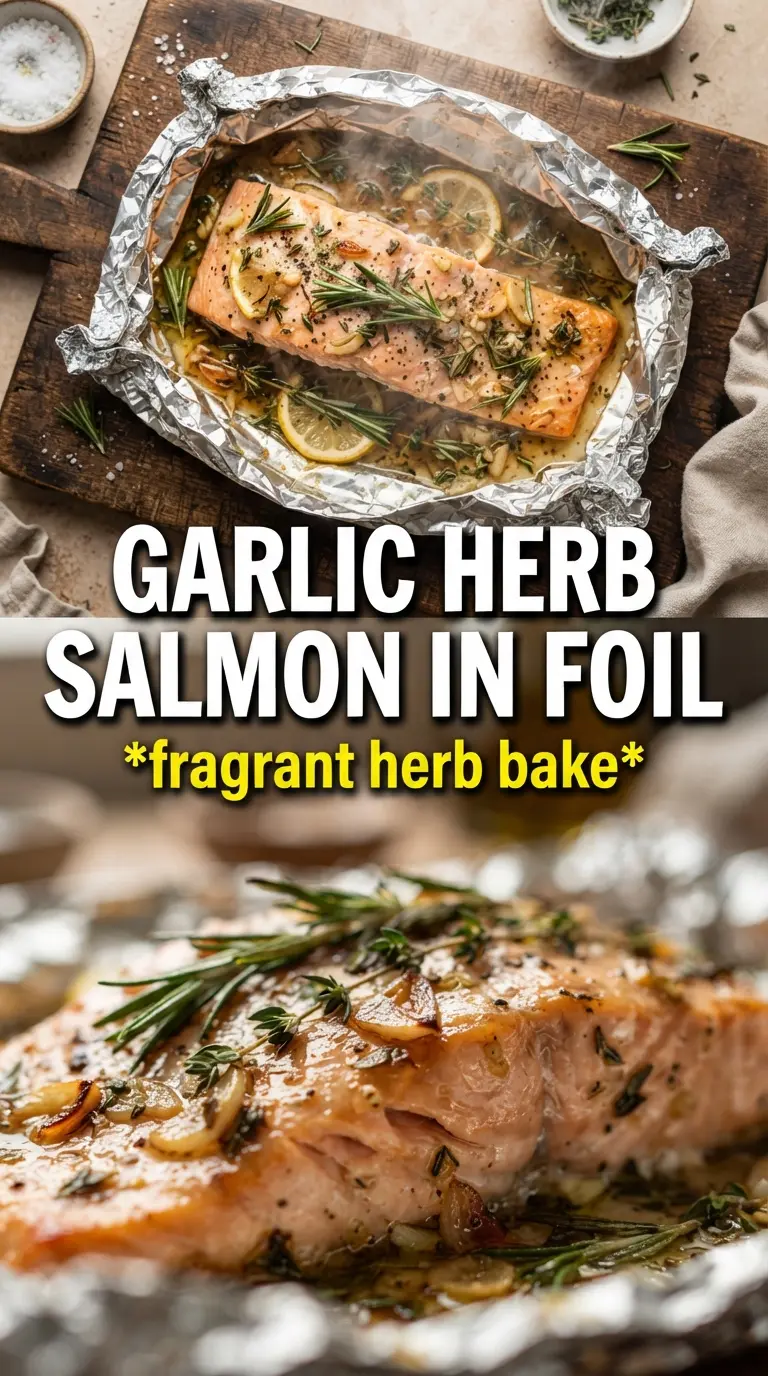
- Salmon fillets — Use fillets that are close in thickness so they finish at the same time. Skin-on or skinless both work, but skin-on helps the fish hold together a little better when you open the packets.
- Butter — This melts into the herbs and garlic and creates the juices you’ll spoon over the fish at the table. If you need a dairy-free version, olive oil works, but the sauce will be lighter and less rich.
- Fresh rosemary and thyme — Fresh herbs matter here. Dried herbs can taste dusty in a sealed packet, while fresh sprigs infuse the fish without overpowering it.
- Garlic — Slice it thin so it softens in the oven and perfumes the butter. Minced garlic can scorch or taste harsh in this short bake.
- Lemon — Thin slices go straight on top and underneath the herb pile. If your lemon is very thick-skinned, slice it extra thin so the peel doesn’t dominate the bite.
- Heavy-duty foil — Regular foil can tear when you fold and crimp the packets. Heavy-duty sheets are worth using because a leaking packet means dry salmon and a messy pan.
How to Seal the Packet and Bake the Fish at the Right Moment
Building the Packet
Set each fillet in the center of a large sheet of foil and season it well before anything else goes on top. The salt needs direct contact with the fish, not just the herbs. Stack the garlic, herbs, butter, lemon, and olive oil over the salmon, then bring the long sides of the foil together and fold them down tightly before crimping the ends. If the packet feels loose or airy, it won’t steam as efficiently.
Watching for the Doneness Cue
Bake at 400°F for 18 to 22 minutes, depending on thickness. The salmon should look opaque around the edges and still a little glossy in the center when you open a packet to check. If the flesh is chalky all the way through, it went too far. If it’s still translucent in the middle, close the packet and give it a few more minutes.
Opening Without Losing the Juices
Cut or peel back the foil carefully because hot steam will rush out. Open the packets over the tray or a rimmed plate so you don’t lose the buttery juices. Those juices are part of the dish, not excess liquid, and they’re exactly what you want to spoon over the salmon right before serving.
How to Change This Salmon Without Losing the Good Part
Dairy-Free Version with Olive Oil
Swap the butter for the same amount of olive oil and add an extra squeeze of lemon after baking. You’ll lose the rich, spoonable butter sauce, but the salmon will still stay moist and the herbs will come through cleanly.
Use Different Herbs When Rosemary Is Too Strong
If rosemary isn’t your favorite, replace part or all of it with dill, parsley, or tarragon. Dill gives the fish a brighter, more classic salmon feel, while tarragon leans a little sweeter and more delicate.
How to Make It for a Bigger Dinner
Double everything and keep the salmon in individual packets so each portion cooks evenly. Crowding all the fillets into one big foil pouch traps steam unevenly and makes it harder to judge doneness.
Storage and Reheating
- Refrigerator: Store leftovers covered for up to 2 days. The salmon will still taste good, but it won’t be as silky as it is straight from the oven.
- Freezer: Freezing cooked salmon is possible, but the texture softens after thawing. Wrap tightly and freeze for up to 1 month if needed, then thaw in the refrigerator.
- Reheating: Warm gently in a low oven, covered, until just heated through. High heat dries salmon fast, so skip the microwave if you want to keep the texture intact.
Questions I Get Asked About This Recipe
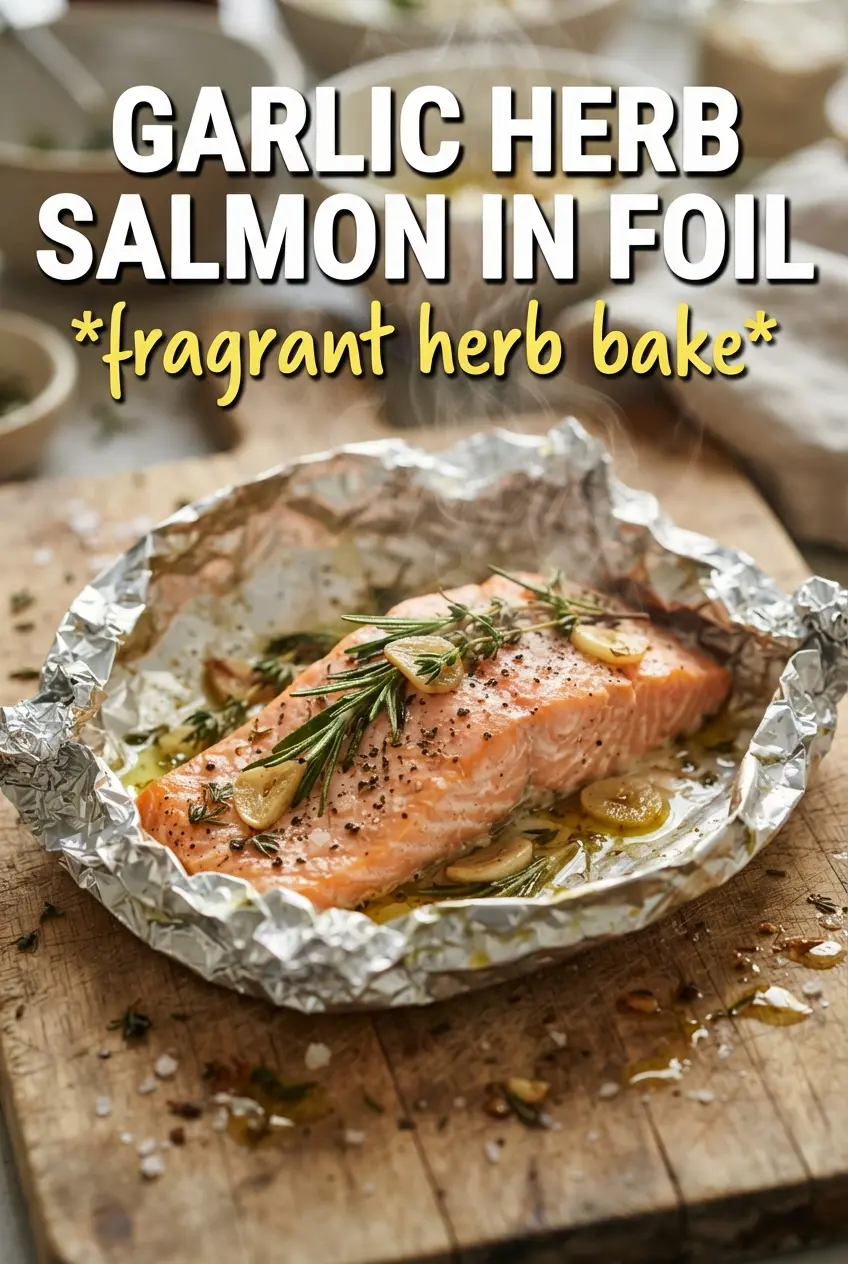
Baked Salmon in Foil with Garlic, Rosemary and Thyme
Ingredients
Equipment
Method
- Preheat the oven to 400°F and lay four large sheets of heavy-duty foil on a baking sheet.
- Place a salmon fillet in the center of each foil sheet and season generously with salt and pepper.
- Top each fillet with thinly sliced garlic, rosemary sprigs, thyme sprigs, and butter pats.
- Add lemon slices over the top, then drizzle each packet with olive oil.
- Fold foil tightly over the salmon and crimp edges to seal into packets, pressing out excess air for a secure close.
- Bake at 400°F for 18–22 minutes, until the salmon is cooked through and flakes easily.
- Open packets carefully and serve directly in the foil for the fresh herb and butter aroma.