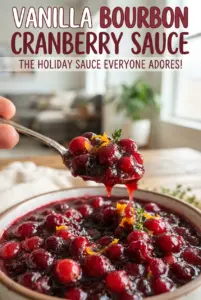
Fresh cranberry orange sauce turns into something bright, glossy, and full of texture instead of the flat, one-note sauce people often remember from the holidays. The cranberries burst just enough to thicken the pot naturally, while the orange juice and zest keep the flavor lively instead of leaning too sweet. Folding in the orange segments at the end adds little juicy pops that make every spoonful taste fresh.
The trick is cooking the cranberries until most of them have popped but a few still hold their shape. That gives you a sauce with body and a little contrast instead of a puree. Orange zest goes in off the heat so it stays fragrant, and the segmented orange gets folded in only after the sauce cools a bit, which keeps the fruit from breaking apart.
Below, I’ve included the easiest way to keep the sauce balanced, what to do if your oranges are extra tart, and a few simple ways to serve it beyond the usual spoonful next to turkey.
The sauce thickened beautifully as it cooled, and the orange segments gave it a fresh bite that kept it from tasting too sweet. I used it on leftovers the next day and it was even better chilled.
Fresh Cranberry Orange Sauce brings tart berries and bright citrus together in one glossy spoonful that chills beautifully.
The Part Most Cranberry Sauces Get Wrong
The biggest mistake is stopping the cook too soon. Cranberries need enough heat to burst and release their pectin, which is what gives the sauce that natural thickness without needing cornstarch. If you pull the pan early, you end up with a loose, syrupy mix that never really settles into sauce.
Another common issue is adding the orange pieces too soon. They soften and lose their fresh texture if they simmer with the berries the whole time. Folding them in after the pan comes off the heat keeps the sauce brighter and gives you those clean bursts of orange in the finished dish.
What Each Ingredient Is Actually Doing Here
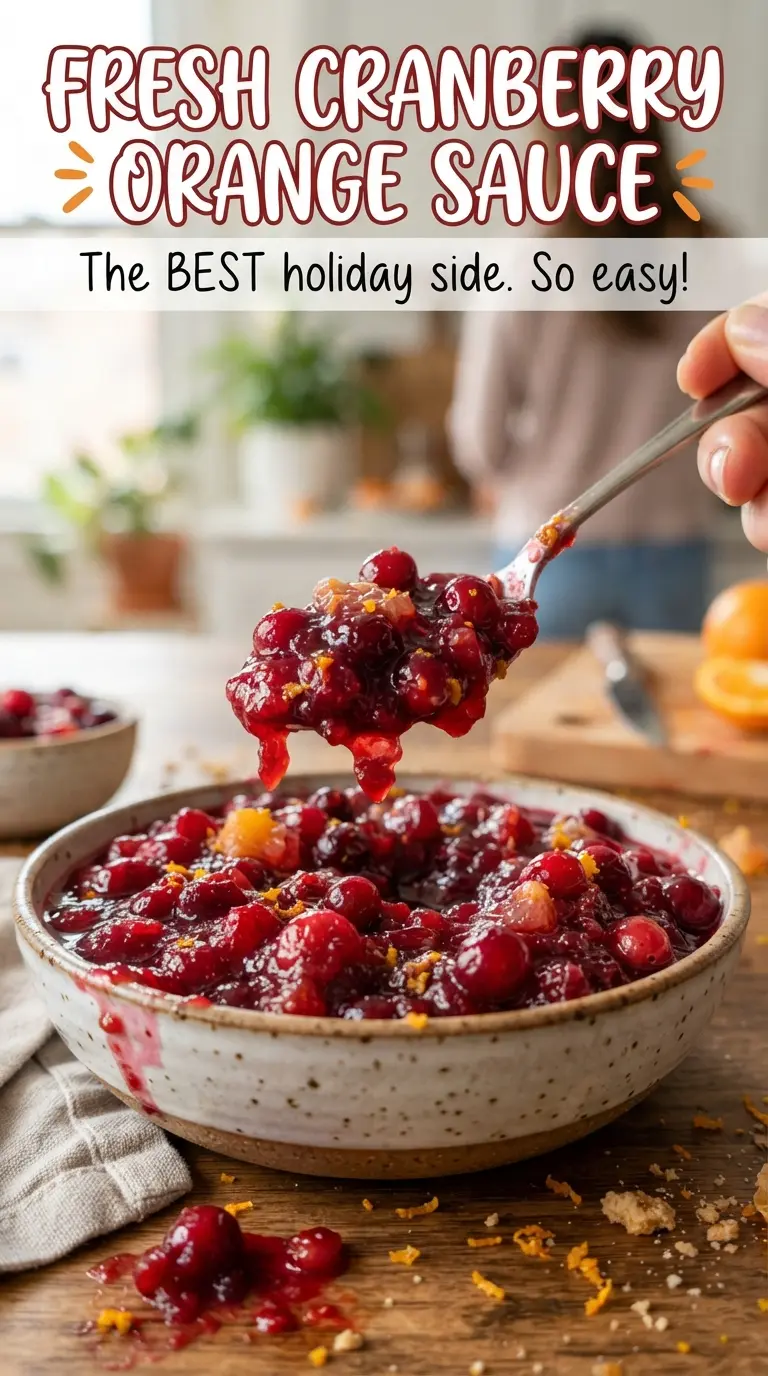
- Fresh cranberries — These are the backbone of the sauce. Frozen cranberries work too, and you don’t need to thaw them first, but fresh berries give the cleanest texture and the brightest pop when they burst.
- Sugar — This doesn’t just sweeten; it balances the tart berries and helps the sauce turn glossy as it cooks. If your oranges are especially sweet, keep the sugar as written. If they’re sharp, don’t reduce it or the sauce can taste harsh.
- Fresh orange juice — Use freshly squeezed juice here if you can. Bottled juice can taste dull or flat, and this recipe depends on the juice carrying real citrus flavor through the whole pot.
- Orange zest — This is where the orange aroma lives. Add it off the heat so the oils stay bright instead of cooking away.
- Orange segments — Segmenting the orange removes the bitter pith and membrane, so you get clean pieces that stay juicy in the finished sauce. If you skip this step and just chop the orange, the peel can make the sauce taste rough.
Cooking the Cranberries Until the Sauce Sets
Boiling the Juice and Sugar First
Start by bringing the orange juice and sugar to a full boil in a saucepan. You want the sugar dissolved before the cranberries go in, or you can end up with gritty pockets at the bottom of the pan. Once it bubbles steadily, add the berries and salt right away so the fruit starts softening in an even bath of sweet citrus.
Letting the Berries Burst
Keep the sauce at a steady simmer for about 10 minutes, stirring now and then. The sound changes as the berries split open and the mixture thickens from watery to saucy. If the heat is too high, the juice can reduce before enough berries burst, leaving you with a sticky syrup instead of a balanced sauce.
Finishing With Zest and Orange Segments
Take the pan off the heat before you stir in the zest. That keeps the citrus aroma sharp instead of cooked off. Let the sauce cool slightly, then fold in the orange segments gently so they stay intact. Chill it before serving; cranberry sauce thickens a lot as it cools, and it won’t look finished while it’s still warm.
How to Adjust It for Different Tables and Different Oranges
Make it less sweet
Drop the sugar by a couple of tablespoons if you like a sharper cranberry sauce, but don’t cut it too far. Sugar balances the tart fruit and helps the sauce set with a glossy finish instead of tasting thin and aggressive.
Use frozen cranberries
Frozen cranberries work well here and don’t need any extra prep. Add them straight from the freezer and expect the sauce to take a minute or two longer to return to a simmer, but the final texture will still be on point.
Make it dairy-free and naturally vegan
This recipe is already dairy-free and vegan as written, which makes it an easy side for a lot of different menus. Keep the orange segments folded in at the end so the sauce stays bright and clean-tasting instead of turning soft and jammy.
Storage and Reheating
- Refrigerator: Store in an airtight container for up to 1 week. It will thicken as it chills, then loosen slightly when brought back to room temperature.
- Freezer: It freezes well for up to 2 months. Freeze in a sealed container with a little room at the top, then thaw overnight in the refrigerator.
- Reheating: Cranberry sauce is usually best served chilled or at room temperature, but if you want it warm, heat it gently on low. High heat can make the orange pieces collapse and the texture go from glossy to muddy.
Answers to the Questions Worth Asking
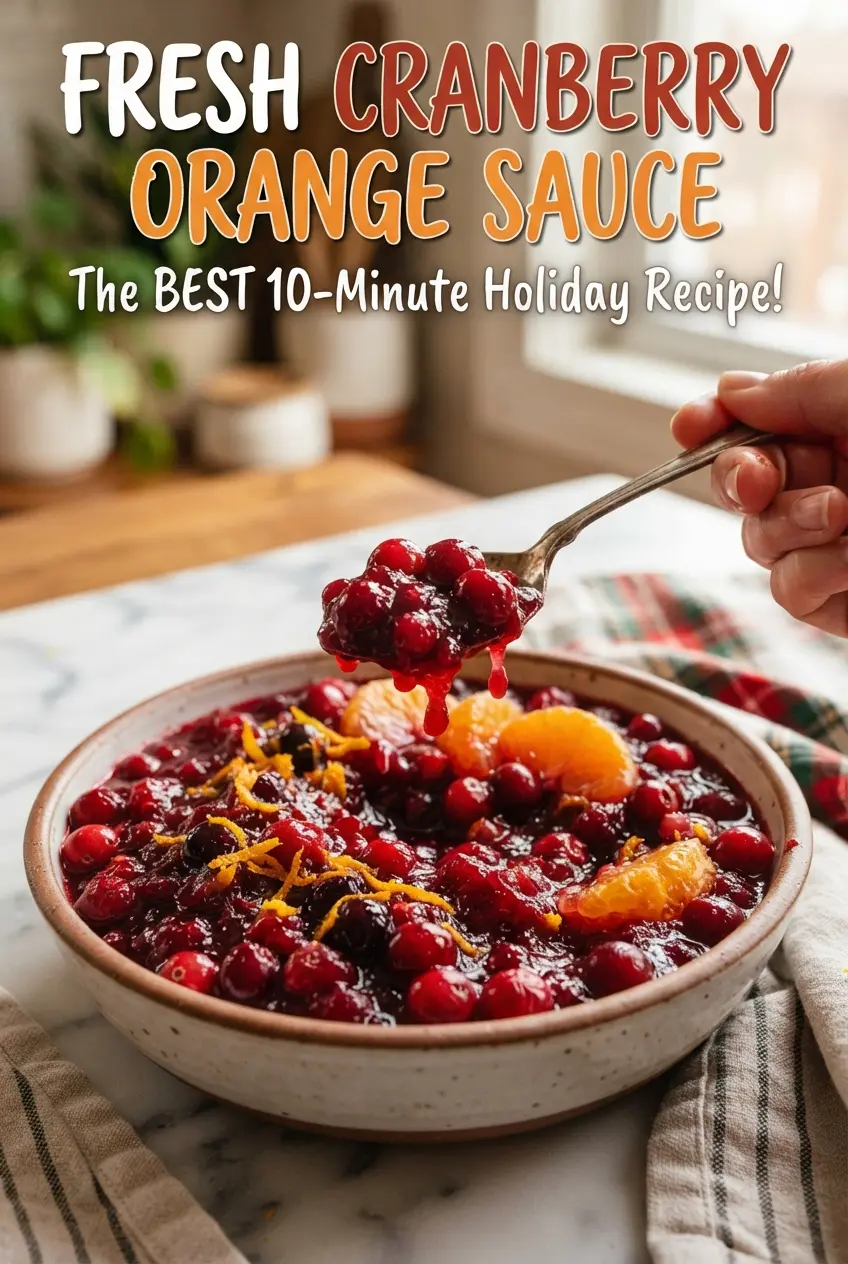
Fresh Cranberry Orange Sauce
Ingredients
Equipment
Method
- Bring sugar and fresh orange juice to a boil in a saucepan over medium-high heat, stirring to dissolve the sugar. You should see steady bubbling across the surface within about 2 to 3 minutes.
- Add fresh cranberries and salt, then return to a boil. Reduce heat to a simmer and cook for 10 minutes, stirring occasionally, until most berries burst and the sauce looks thickened.
- Remove the saucepan from the heat and stir in orange zest until evenly distributed. The zest should turn glossy in the warm sauce.
- Let the sauce cool slightly for 5 minutes so the orange segments stay intact. It should be warm but not hot.
- Gently fold in orange, peeled and segmented, using a light hand to avoid mashing the fruit. Stop when the segments are coated and suspended throughout.
- Chill the cranberry orange sauce until serving. Refrigerate in a covered container for at least 1 hour to set the texture.