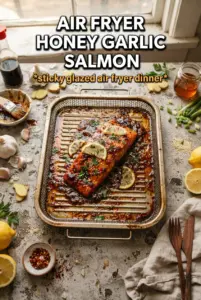
Honey garlic salmon lands on the plate with the kind of glossy, sticky glaze that makes people go quiet for the first bite. The sauce clings to the fish instead of sliding off, the edges caramelize just enough to taste sweet and savory at the same time, and the salmon stays tender underneath that shiny coating. It’s the kind of pan dinner that looks like you worked harder than you did.
What makes this version work is the order. The salmon gets a head start in a hot skillet so it develops a golden crust before the sauce goes in. The honey, soy sauce, garlic, and lemon juice cook down in the same pan, which means the glaze picks up the browned bits left behind by the fish. That’s where the depth comes from. If you rush the sauce or crank the heat too high, honey can go from glossy to burnt in a minute, so the last few minutes matter most.
Below, I’ve laid out the small details that keep the glaze sticky instead of thin, plus the swaps that still give you a good dinner when you’re short on an ingredient.
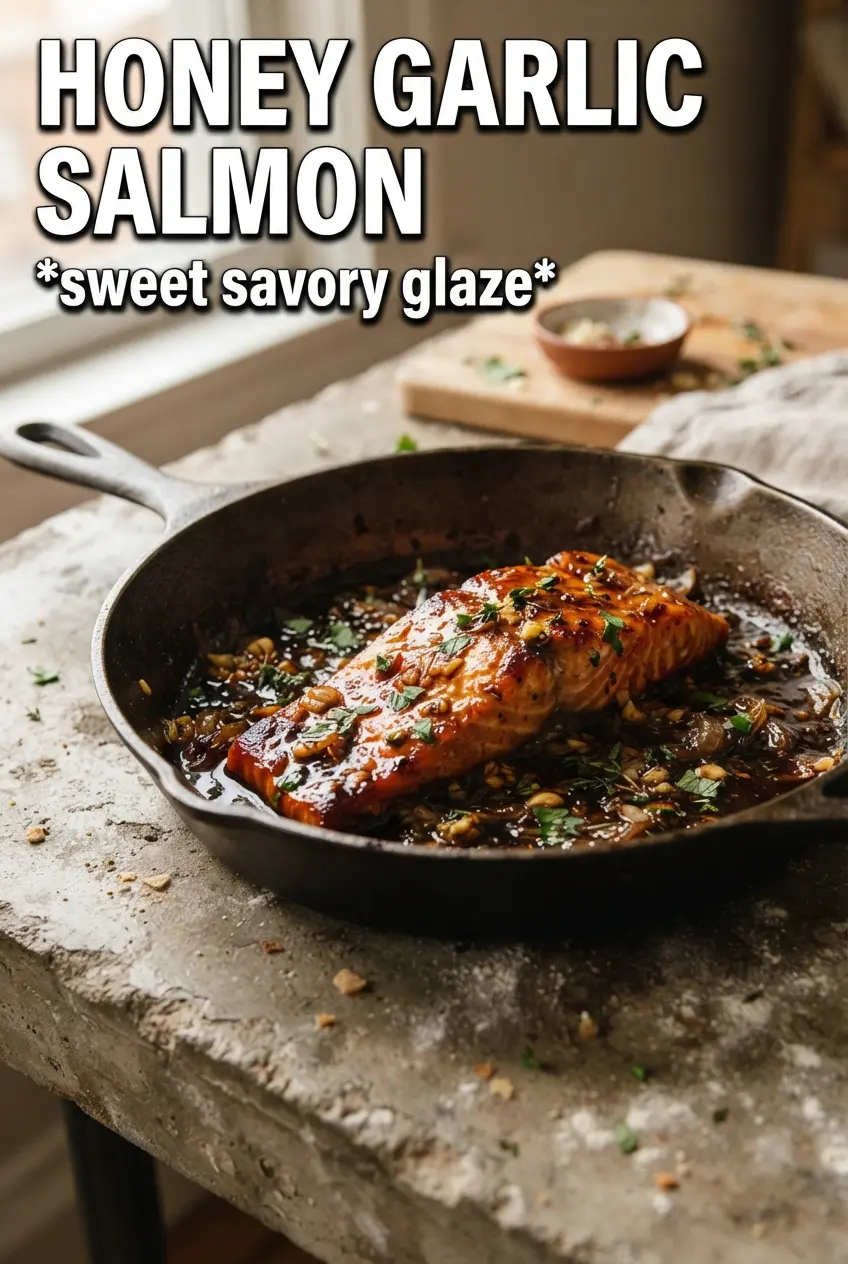
The glaze thickened right in the skillet and stayed on the salmon instead of pooling on the plate. I kept basting for the last few minutes and got that sticky edge everyone was fighting over.
Honey garlic salmon with that sticky amber glaze is the kind of skillet dinner worth keeping close.
The Trick to a Sticky Glaze Instead of a Thin Sauce
The biggest mistake with honey garlic salmon is adding the sauce too early or too hot. Honey needs just enough heat to loosen and caramelize, not a hard boil that turns it bitter before the fish is done. If the sauce looks watery, the pan probably isn’t hot enough for the honey to reduce, or the salmon released too much moisture because it was overcrowded.
The other thing that matters is leaving the salmon alone long enough to sear. Moving it around too soon keeps the surface from developing that light crust that helps the glaze grab onto the fish. You want the sauce to start bubbling around the fillets, then thicken into a lacquer in the final minutes.
- Hot pan, not raging heat — medium-high is enough to sear the salmon and reduce the glaze without scorching the honey.
- Dry salmon — pat the fillets dry before seasoning. Extra surface moisture turns the first side into steam instead of sear.
- Last-minute sauce — the glaze goes in after the flip so it can thicken while the salmon finishes cooking.
What Each Ingredient Is Actually Doing in the Pan
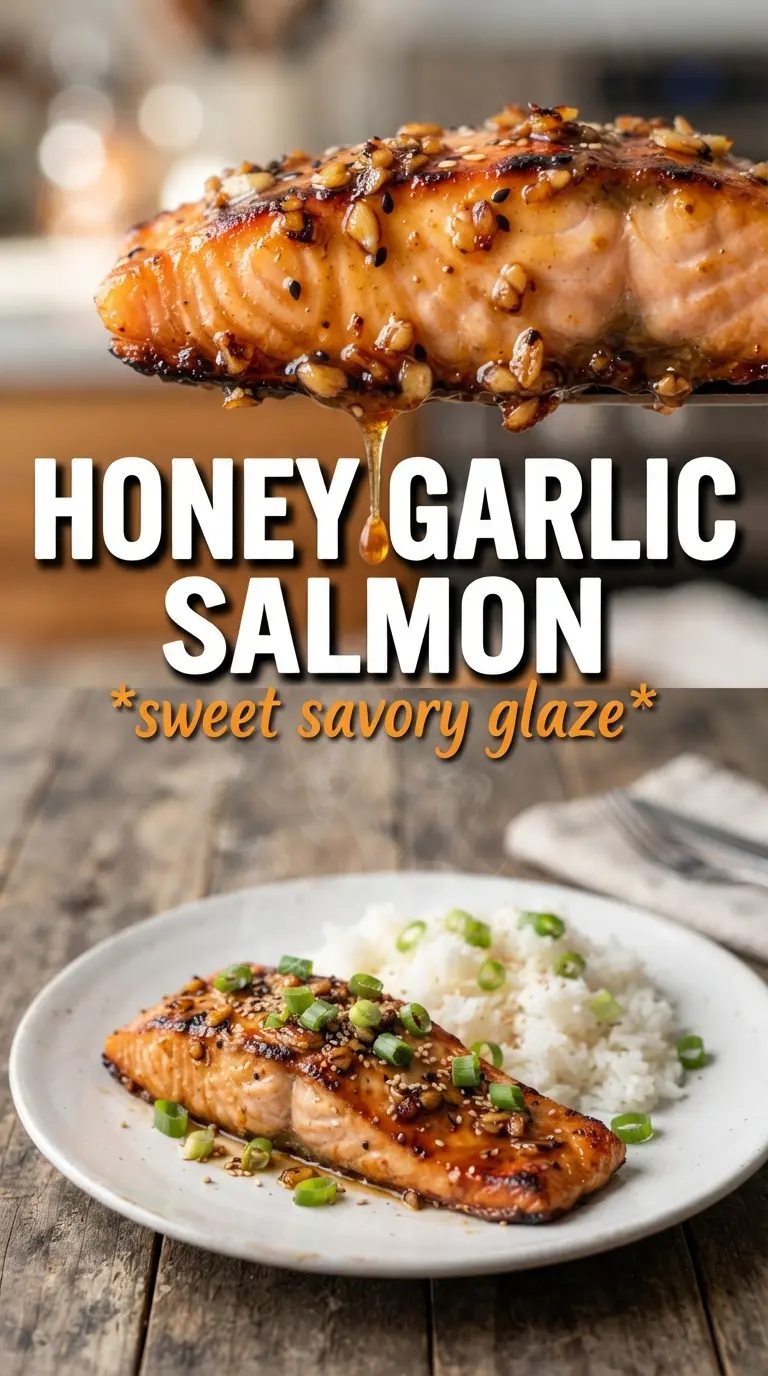
- Salmon fillets — Rich, oily salmon stands up to the sweet-salty glaze and stays moist through a quick cook. Skin-on fillets work best if you want extra protection on the first side, but skinless will still work in a well-oiled skillet.
- Honey — This is what gives the sauce its shine and sticky finish. There isn’t a perfect substitute here, but maple syrup can step in if needed; the glaze will taste a little less floral and caramelize a bit faster.
- Soy sauce — It keeps the glaze from tasting one-note sweet and helps the sauce turn darker as it reduces. Use low-sodium if you want more control, since regular soy sauce can get salty fast once it concentrates.
- Garlic — Fresh minced garlic perfumes the sauce and gives it bite. Jarred garlic works in a pinch, but it can taste flatter and can scorch faster in the pan.
- Lemon juice — A small splash keeps the glaze bright and cuts through the richness of the salmon. Don’t skip it; without that acid, the sauce can taste heavy instead of balanced.
Building the Glaze So the Salmon Stays Tender
Seasoning and Searing the Fish
Season the salmon with salt and pepper, then lay it into a lightly oiled skillet. The first side should hit the pan skin-side up, and you want to hear an even sizzle, not a sputter from excess moisture. Let it cook without moving it until the underside develops color and releases more easily from the pan. If it sticks hard, give it another minute; forcing the flip tears the surface and costs you that clean crust.
Flipping at the Right Moment
When the first side is golden, turn the fillets and move right into the sauce. The second side cooks faster because the pan is already hot, so don’t wander off at this point. You’re looking for the fish to start turning opaque around the edges while the center still looks slightly translucent. That’s the window where the glaze can finish without drying the salmon out.
Reducing the Honey Garlic Sauce
Stir the honey, soy sauce, garlic, and lemon juice together in the pan around the fish, then spoon it over the tops as it bubbles. The sauce should reduce to a syrupy coating that trails slowly off a spoon. If it stays thin, the heat is too low or the pan is crowded; if it darkens too fast, pull the pan back for a moment and lower the flame. The goal is a sticky glaze, not candy.
Knowing When the Salmon Is Done
Pull the salmon when it flakes easily with a fork and the glaze looks thick and glossy. A little carryover heat will finish the middle after it comes off the stove, so don’t wait for the fish to look completely dry in the pan. Garnish with parsley and serve right away while the sauce is still shiny and clinging to the surface.
How to Adapt This Honey Garlic Salmon Without Losing the Glaze
Dairy-Free and Naturally Gluten-Free
This recipe is already dairy-free, and it can be gluten-free if you use gluten-free soy sauce or tamari. The flavor stays the same, but tamari usually tastes a little rounder and less sharp, which works well with the honey.
Maple Garlic Salmon
Swap the honey for maple syrup if that’s what you have. The glaze will still thicken, but it caramelizes a little faster and tastes less floral, more woodsy, so keep a closer eye on the pan in the last few minutes.
Lemon-Free in a Pinch
If you’re out of lemon juice, use a small splash of rice vinegar or apple cider vinegar. You need that bit of acid to keep the glaze from tasting heavy, but vinegar is sharper than lemon, so start with less and taste quickly before the sauce reduces.
Storage and Reheating
- Refrigerator: Store leftovers in an airtight container for up to 2 days. The glaze will thicken more as it chills, and the salmon will firm up a bit.
- Freezer: I don’t recommend freezing this one after it’s cooked. The salmon texture changes and the glaze loses that fresh sticky finish.
- Reheating: Warm gently in a skillet over low heat with a splash of water to loosen the glaze, or cover and reheat in a 275°F oven just until heated through. High heat dries out the salmon and can turn the honey glaze harsh.
Questions I Get Asked About This Recipe
Honey Garlic Salmon
Ingredients
Equipment
Method
- Pat salmon fillets dry and season all sides with salt and black pepper to taste.
- Heat olive oil in a large skillet over medium-high heat until shimmering, about 1 minute.
- Add salmon fillets skin-side up and cook for 4 minutes, until the skin is golden and crisp.
- Flip the salmon and cook for 1 minute, just to start browning the second side.
- Mix honey, soy sauce, garlic, and lemon juice, then pour into the pan around the salmon.
- Cook for 3 to 4 minutes, basting the top of the salmon with the sauce as it thickens and caramelizes into a sticky amber glaze, with bubbling at the edges.
- Remove when salmon is cooked through and the glaze is sticky and shiny, coating the fillets.
- Garnish with fresh parsley and serve immediately.