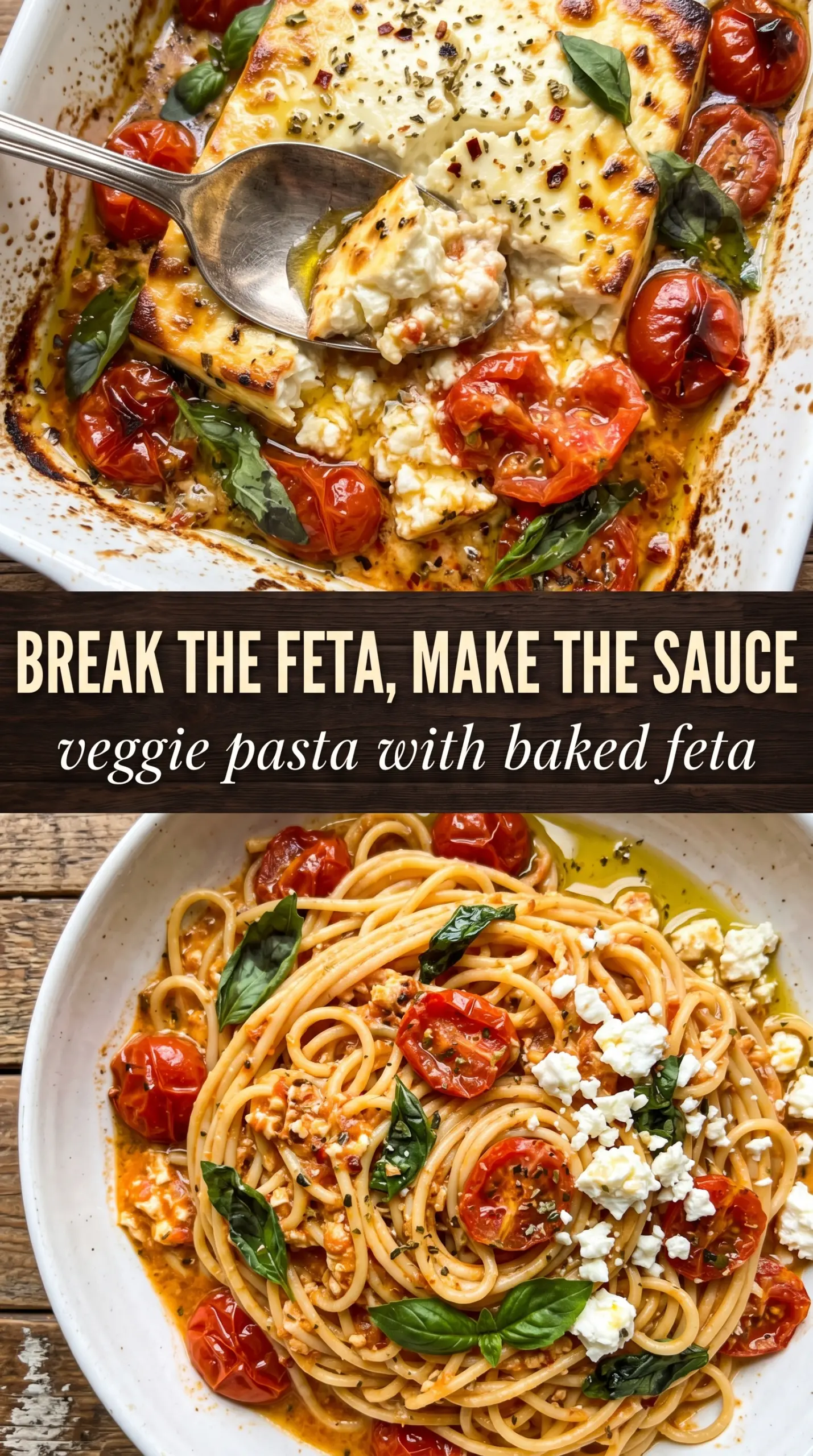
Roasted vegetables, blistered tomatoes, and a block of feta that turns soft at the edges make this veggie pasta with baked feta feel far bigger than the short ingredient list suggests. The sauce lands somewhere between creamy and rustic: glossy enough to cling to every twist of pasta, but still full of sweet tomatoes, tender zucchini, and little pockets of caramelized onion and garlic.
What makes this version work is the way the feta gets heat on all sides before it’s stirred into the vegetables. That gives you a richer, saltier base than just crumbling cheese over the top, and it helps the tomatoes break down into their own juices instead of needing a heavy cream sauce. A splash of pasta water finishes the job, loosening the mixture just enough to coat the pasta without turning it soupy.
Below, I’ve included the one oven detail that keeps the feta from drying out, plus a few smart swaps if you want to change the vegetables or make it fit what’s in your fridge.
The feta softened into the tomatoes perfectly, and the pasta water made the sauce cling instead of pooling at the bottom of the bowl. I added a little extra basil at the end and it tasted like something from a good little restaurant.
Save this baked feta pasta for the night you want a creamy, vegetable-packed dinner with almost no stovetop cleanup.
The Part That Keeps the Feta Creamy Instead of Dry
The biggest mistake with baked feta pasta is treating the cheese like an afterthought. If the feta sits too far from the tomatoes or bakes too long before the vegetables release their juices, it can turn chalky instead of luscious. Keeping the block centered and surrounded by vegetables lets the feta soften from the steam and the hot oil while the tomatoes collapse into the pan around it.
That balance matters even more here because this isn’t a heavy cream sauce. The roasted vegetables do the work. The tomatoes burst, the onion turns sweet, and the garlic mellows as it roasts whole, then the feta ties everything together with salt and richness. If your sauce ever feels tight or pasty, it usually needs a little pasta water and a more thorough mash of the cheese before the pasta goes in.
- Feta block — Buy a block packed in brine if you can. It melts and softens more evenly than pre-crumbled feta, which tends to stay dry and grainy in the oven.
- Cherry tomatoes — These are the backbone of the sauce. They need to be ripe enough to burst and release juice; hard, underripe tomatoes won’t give you the glossy finish this dish needs.
- Zucchini, bell pepper, and red onion — These add volume and sweetness without overpowering the feta. Cut them into pieces that are close in size so they roast at the same rate instead of leaving you with a mix of mushy and underdone bits.
- Garlic — Whole cloves roast mellow and buttery. Minced garlic would scorch before the tomatoes are ready, which would leave you with bitterness instead of depth.
- Pasta water — This is the safest way to loosen the sauce. Its starch helps the feta and tomato mixture cling to the pasta instead of sliding off the bottom of the bowl.
What Each Ingredient Is Actually Doing in This Recipe
- Primary ingredient (the star) — Quality matters most. Choose the best you can find.
- Cooking medium (oil, butter, or broth) — This carries flavors and prevents dryness.
- Seasonings (salt, pepper, spices, herbs) — Layer flavors so nothing overpowers. Build depth gradually.
- Aromatics (garlic, onion, herbs) — Cook with fat to bloom flavors. Become the foundation.
- Supporting ingredients — Complement the main ingredient without overpowering it.
- Sauce or liquid (if applicable) — Brings flavors together. Balance richness with acid.
- Acid (lemon, vinegar, wine, or other) — Brightens and prevents flat-tasting results.
- Final finish (garnish, glaze, or sauce) — Prevents one-dimensional taste and adds visual appeal.
Building the Sauce in the Pan You Bake It In
Arranging the Vegetables for Even Roasting
Set the feta block in the center of a 9×13 dish and spread the vegetables around it in a single layer. Drizzle everything with olive oil so the tomatoes and zucchini can blister instead of dry out. If the pan is crowded, the vegetables steam, and steamed vegetables never give you the sweet, jammy base this pasta depends on.
Watching for the Feta to Turn Soft at the Edges
Bake at 400°F until the feta looks golden on top and a little loose around the edges, while the tomatoes have collapsed and started to caramelize. You want bubbling juices in the pan and browned spots on the onions and tomatoes. If the feta stays pale and firm while the vegetables are done, it usually needs a few more minutes; if it goes dry, it stayed in too long.
Mashing and Loosening the Sauce
Use a fork to break the feta into the roasted vegetables right in the baking dish. Keep mashing until the mixture turns creamy but still has texture from the tomatoes and zucchini. Add a splash of reserved pasta water only as needed; too much turns the sauce thin, while too little leaves you with a thick mixture that won’t coat the pasta evenly.
Tossing the Pasta at the End
Add the cooked pasta straight into the hot baking dish and toss until every piece is coated. The pasta should finish in the sauce, not sit on top of it. If the dish looks dry after tossing, add a little more pasta water and work quickly so the sauce stays glossy instead of clumping as it cools.
Three Ways to Make This Pasta Fit What You’ve Got
Gluten-Free Pasta Swap
Use your favorite gluten-free short pasta and cook it just until al dente. Gluten-free pasta softens faster once it hits the hot sauce, so drain it a little firmer than usual or it can turn mushy when tossed with the roasted vegetables.
Dairy-Free Version
Replace the feta with a firm dairy-free feta-style block that can bake without melting into oil. The result will be less tangy and less creamy than the original, so a little extra salt and a squeeze of lemon at the end help sharpen the sauce.
Swap the Vegetables by Season
You can swap in chopped eggplant, mushrooms, or asparagus as long as you keep the total volume about the same. Dense vegetables need a little more oil and time, while tender vegetables roast faster and should be added later so they don’t collapse before the sauce is ready.
Storage and Reheating
- Refrigerator: Store leftovers in an airtight container for up to 3 days. The sauce will thicken as it chills.
- Freezer: This freezes fairly well, though the zucchini softens more after thawing. Freeze in portions and let it cool completely before sealing.
- Reheating: Reheat gently on the stovetop or in the microwave with a splash of water to loosen the sauce. High heat can make the feta separate and the pasta go dry before the center warms through.
Answers to the Questions Worth Asking
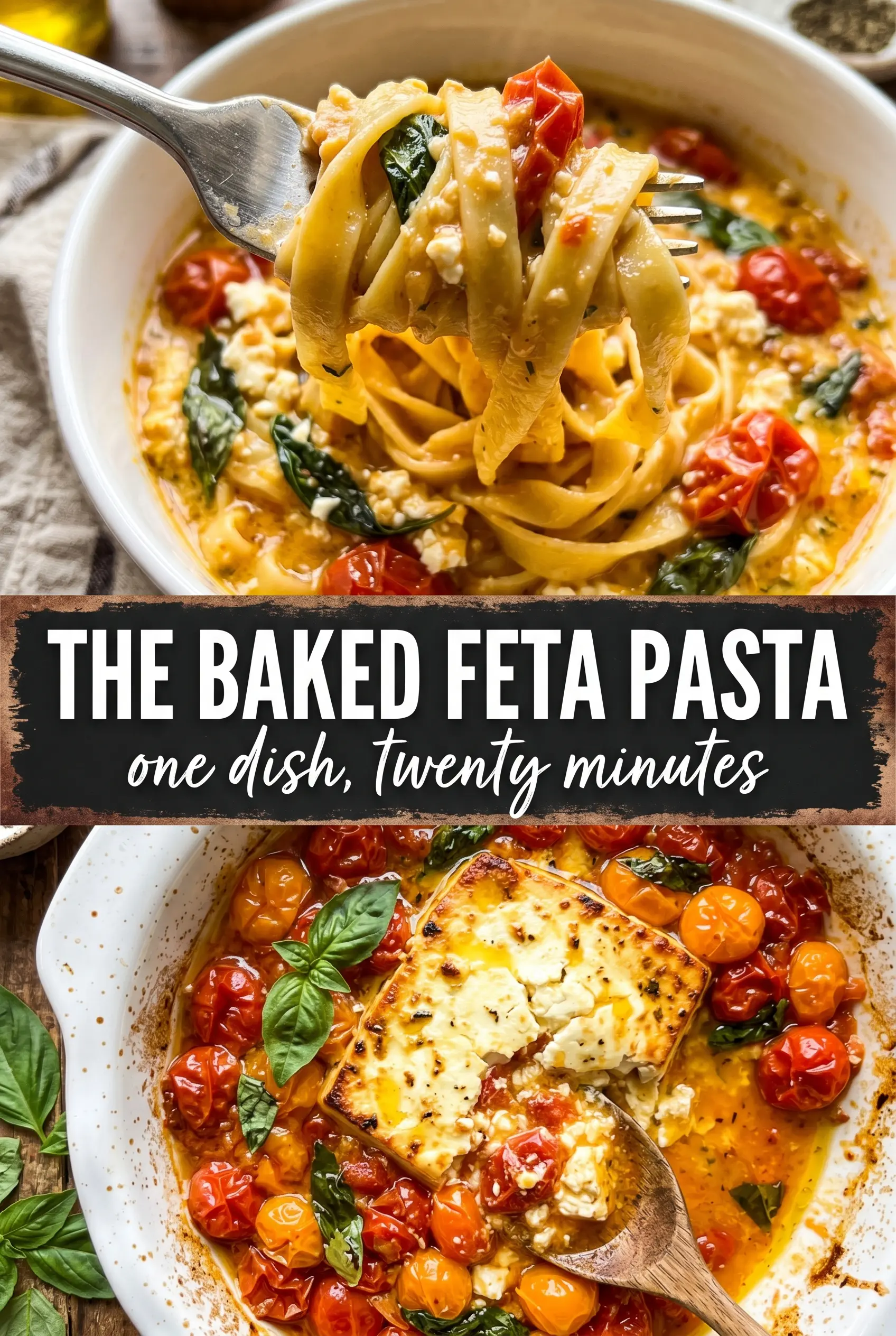
Veggie Pasta with Baked Feta
Ingredients
Equipment
Method
- Preheat the oven to 400°F and place the feta block in the center of a 9x13 baking dish.
- Surround the feta with cherry tomatoes, zucchini, red bell pepper, red onion, and garlic, then drizzle with olive oil and season with red pepper flakes, salt, and cracked black pepper.
- Bake for 30-35 minutes until the feta is golden and creamy at the edges and the tomatoes have burst and caramelized, with visible bubbling around the feta.
- Use a fork to mash the baked feta and stir it into the roasted vegetables to form a chunky sauce, loosening with a splash of pasta water if it looks too thick.
- Add the cooked penne or rotini to the baking dish and toss to coat the pasta in the feta tomato sauce until glossy.
- Drizzle with extra olive oil and scatter fresh basil over the top, then serve immediately.